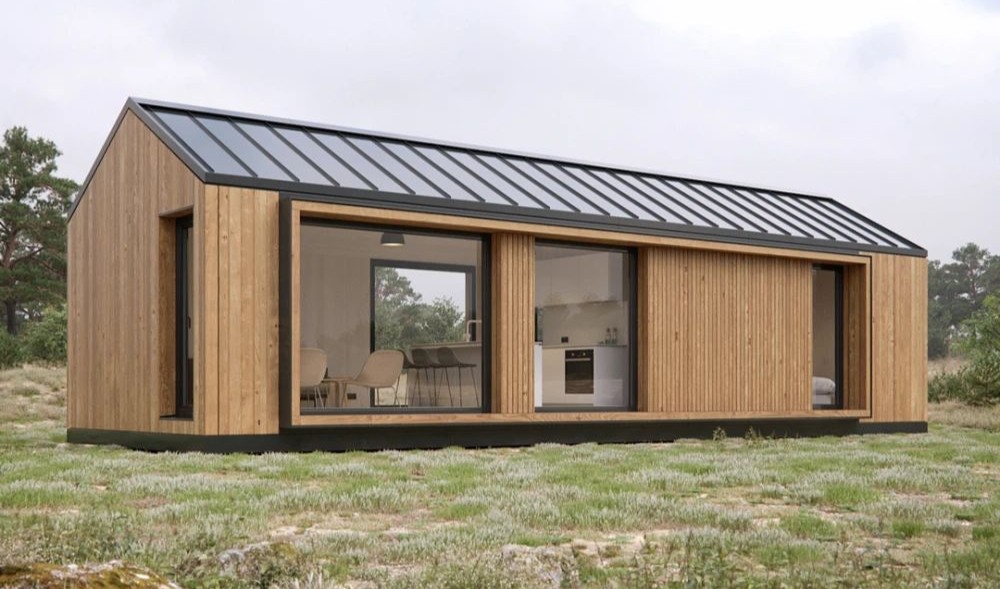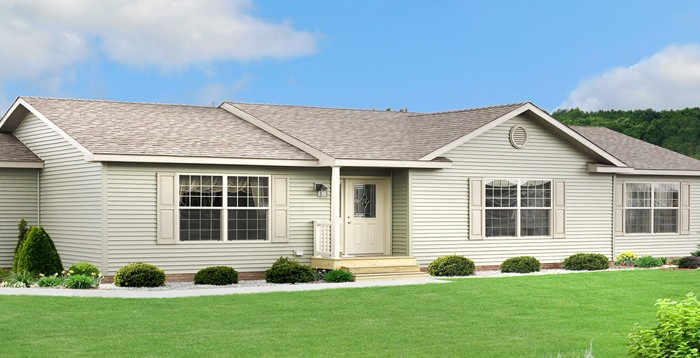
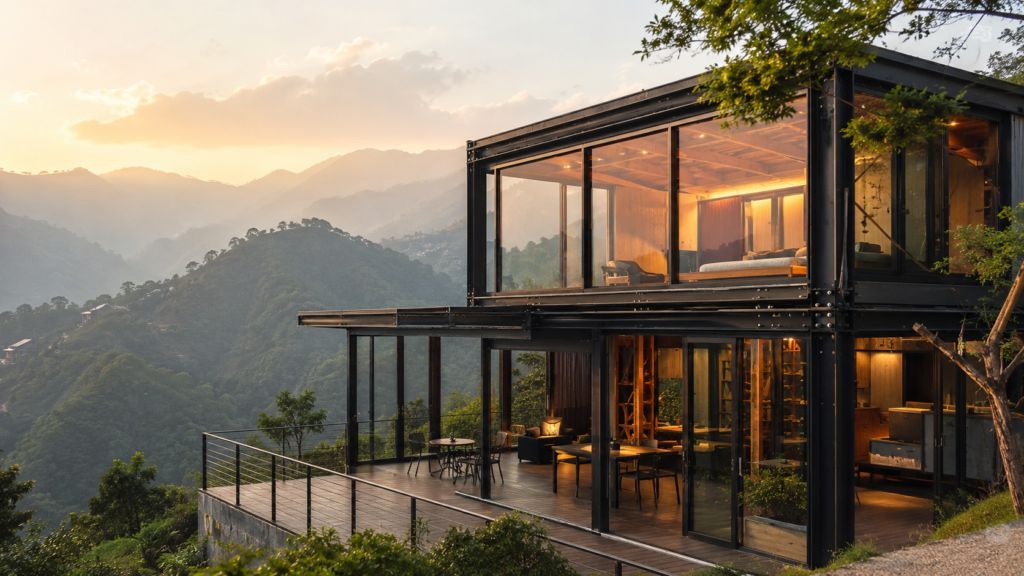
More Indian homeowners are turning to prefab homes India-wide because of one simple promise: build faster, without giving up quality. And for the most part, that promise holds true.
But here’s what nobody tells you upfront. The success of a prefab project depends almost entirely on who you choose to build it. Pick the wrong builder, and you inherit every shortcut they take — leaks, delays, weak joints, and a structure that ages faster than it should.
We’ve reviewed dozens of prefab projects across India, and the same mistakes keep showing up. Below are the ten that cost buyers the most money, time, and peace of mind — and exactly what to check instead.
1. Choosing the Lowest Quote Without Asking Why It’s Low
The single biggest mistake in prefab homes India buyers make is treating the builder search like a price comparison exercise.
A low quote usually means one of three things: cheaper steel gauge, skipped insulation, or a stripped-down scope that excludes plumbing, electrical, or interior finishing. You won’t see the compromise on day one. You’ll see it in year two, when corrosion starts, or joints begin to creak.
What to do instead: Ask every builder for a like-for-like scope breakdown — same steel grade, same finish level, same inclusions. Compare final delivered cost, not the headline number. This single habit alone prevents most of the regret buyers report after choosing a prefab homes India builder on price.
2. Skipping the Site Feasibility Check
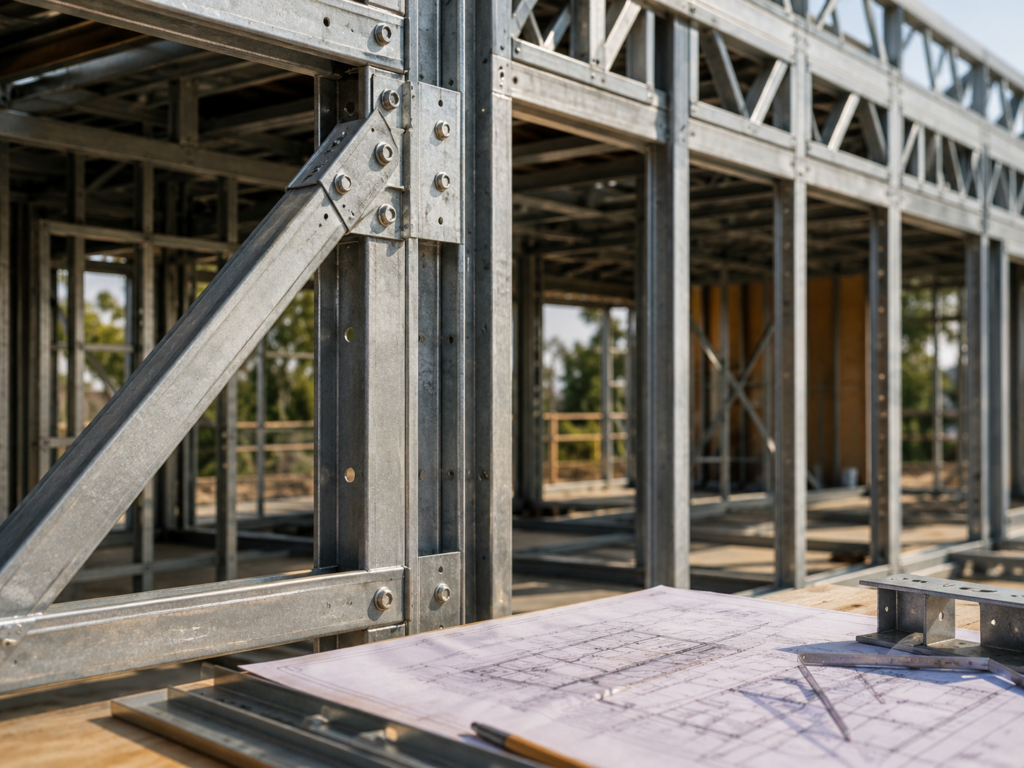
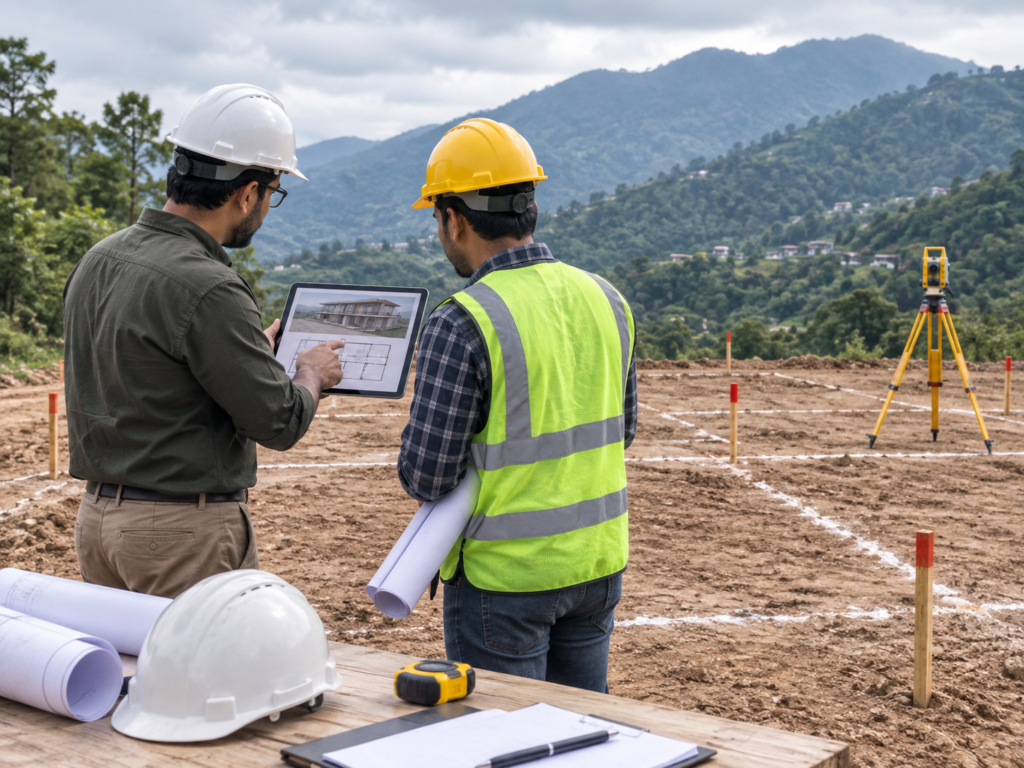
Prefab construction still depends on your actual site. Road width for truck access, crane movement space, soil condition, slope, and drainage all affect whether a design works — and what it costs.
Buyers often finalize a design before anyone visits the site. Then, mid-project, they discover the access road is too narrow for standard modules, or the soil needs additional foundation work. Both mean change orders and delays.
What to do instead: Insist on a site visit or detailed site assessment before signing. A builder who skips this step is guessing, not engineering.
3. Not Verifying Seismic and Structural Code Compliance
This is where most prefab guides stop short — and where the real risk hides. India has five seismic zones, and structural design has to account for the zone your site falls in, not a generic template.
Ask any builder a direct question: which IS codes does your structural design follow? A credible answer references IS 1893 for seismic design, IS 875 for load calculations, IS 456 for concrete, and IS 800 for steel structures, along with site-specific structural calculations based on your location and soil report. If a builder can’t answer this clearly, that’s your answer about their engineering depth.
Fabitat’s structures are engineered specifically per seismic zone (II through V), with structural systems designed for a 25+ year lifespan — this is the kind of specificity every buyer should ask for. You can review how this engineering process actually works on our How It Works page.
4. Assuming “Prefab” Means the Same Materials Everywhere
Not all prefab systems are built the same way. Steel gauge, corrosion protection, insulation type, and panel construction vary widely between builders — and these differences determine how the home performs in ten or twenty years, not just on move-in day.
A builder using galvanised steel with proper corrosion protection will outlast one using untreated or thin-gauge material by decades, even if both homes look identical at handover.
What to do instead: Ask specifically what steel grade and corrosion protection is used, and request the structural system specification in writing — not just a verbal assurance. Our Prefab Systems page breaks down exactly what goes into a durable structure.
5. Underestimating Site Prep and Hidden Costs
Prefab shortens construction time, but it doesn’t eliminate site work. Foundation, levelling, utility connections, and approvals still need to happen — and if a builder’s quote doesn’t mention them, that cost hasn’t disappeared. It’s just been left off the paper.
This is one of the most common sources of budget overruns in prefab projects, and it’s rarely intentional deception — it’s usually an incomplete first quote that assumes the buyer already understands what’s excluded.
What to do instead: Get an itemized quote that explicitly states what’s included and excluded — foundation, utilities, approvals, transport, and installation. If something’s missing, ask why.
6. Not Checking the Builder’s Actual Project History
Anyone can show renders. Far fewer can show completed, occupied projects across different terrains and climates — hills, coastal zones, remote sites, urban rooftops.
A builder’s real track record tells you more than any brochure. Look for projects similar to yours: same scale, same region, same complexity. Ask to see completed work, not concept designs.
What to do instead: Before shortlisting any prefab homes India builder, request a portfolio of finished projects with locations and specifications, not just photos. You can see how this looks in practice on our Projects page — real builds across states, with real square footage and site conditions listed.
7. Assuming Prefab Means Generic, Catalog-Only Designs
A common misconception pushes buyers toward mass-production builders who offer three or four standard layouts and call it customization. If architectural flexibility matters to you — custom layouts, premium finishes, a design that fits your site rather than a generic footprint — that’s a real differentiator between builders, not a minor detail.
What to do instead: Ask whether the design process starts with your site and requirements, or with a fixed catalog you have to fit into. For applications like luxury residential builds, this distinction matters most — see how architect-led design plays out on our Villas page.
8. Overlooking Logistics for Remote or Difficult Sites
Prefab modules still need to physically reach your site. Hilly terrain, narrow roads, or limited crane access can complicate transport and installation in ways a builder without remote-site experience won’t anticipate.
Builders who primarily work in flat, easily accessible urban plots may struggle — or charge unexpected premiums — when a project involves a hill station, farmhouse plot, or ecologically sensitive location.
What to do instead: If your site isn’t a standard urban plot, ask the builder directly about their experience with similar terrain, and request examples. Fabitat’s on/off-site fabrication system was built specifically to handle remote deployment — you can explore where this applies on our Applications page.
9. Not Getting Timelines and Payment Milestones in Writing
Verbal promises about delivery timelines rarely survive contact with reality. Without a written schedule tied to payment milestones, buyers have no leverage when delays happen — and in construction, some delay is almost always part of the process.
What to do instead: Insist on a written contract that ties payments to specific, verifiable milestones — design approval, fabrication start, delivery, installation, handover. This protects you if timelines shift.
10. Ignoring After-Installation Support and Warranty Terms
The relationship shouldn’t end at handover. Plumbing, electrical work, interior finishing, and any post-installation issues need a clear point of accountability. Builders who subcontract everything and disappear after the structure is up leave buyers coordinating repairs alone.
What to do instead: Confirm what warranty coverage applies, for how long, and who to contact for post-handover support before you sign — not after something goes wrong.
Frequently Asked Questions
Choosing based on the lowest quote without comparing scope. A cheaper price often means thinner steel, reduced insulation, or excluded work that surfaces as problems later.
Ask for their structural design codes (IS 1893, IS 875, IS 456, IS 800), seismic zone compliance, completed project portfolio, and written warranty terms. Vague or evasive answers are a warning sign.
Not necessarily unreliable, but risk increases with price gaps. Always compare like-for-like scope — same materials, same inclusions — before assuming a lower quote is a better deal.
Timelines vary by scale and site complexity, but prefab construction typically cuts overall project time by 40-60% compared to conventional building, since design, fabrication, and site prep happen simultaneously.
They can and should. Reputable builders design structures per IS 1893 seismic codes, tailored to the specific seismic zone (II-V) of your site. Always confirm this is part of your builder’s process, not an afterthought.
It depends entirely on the builder. Some offer only fixed catalog layouts; others, like Fabitat, start every project with architect-led design based on your site and requirements.
Conclusion
Prefab construction genuinely delivers on speed and quality — but only when the builder behind it takes engineering as seriously as the marketing. Every mistake above comes down to one habit: asking specific questions and getting specific answers in writing, instead of relying on assumptions.
If you’re evaluating prefab homes India-wide right now, the questions in this guide are the exact ones to bring to your first conversation with any builder.
Ready to build with a team that answers these questions before you have to ask? Start your project with Fabitat and get a site-specific structural plan from day one.