Quick answer: Prefabricated homes are not weaker, cheaper-looking, or harder to finance than traditional houses. Modern prefab construction follows the same structural codes as site-built homes, often uses more material per square foot, and — in independent disaster studies — has actually outperformed conventional framing. The myths come from decades-old memories of mobile homes, not from how prefabricated homes are actually engineered today.
If you’ve ever hesitated on prefabricated homes because of something you “heard somewhere,” you’re not alone. Most of what people believe about prefab construction is outdated by at least 20 years. And it’s costing them — either in the form of an overpriced traditional build, or a missed opportunity to move into a durable, well-engineered home much faster.
We’re going to go myth by myth. No vague reassurances — just codes, data, and how the engineering actually works.
Myth 1: Prefabricated Homes Are Low Quality
This is the oldest myth in the book. It comes from a real, but outdated, problem. Mobile homes built before the 1970s genuinely had quality issues.
However, modern prefabricated homes share almost nothing with those old structures. Only the word “prefabricated” stuck around.
Today’s prefab units are built inside climate-controlled factories. That means materials never sit exposed to rain or humidity during construction. On a traditional site, that exposure happens constantly.
Factory-built homes also use around 30% more lumber than a comparable site-built home. Every module passes through multiple inspection checkpoints before it even leaves the factory floor. A traditional build usually gets one site walkthrough. Prefab gets several — at every single stage.
Myth 2: Prefabricated Homes Don’t Last Long
Lifespan has nothing to do with where a home is built. It comes down to materials, engineering, and maintenance.
A well-engineered prefabricated home is built with quality steel framing, insulated panels, and proper weatherproofing. With regular upkeep, it’s designed to last 50 years or more — the same as a conventional structure.
So where does the “temporary” idea come from? Usually, from confusing prefab homes with relocatable site cabins. Those are meant for short-term use. A permanent prefabricated home on a proper foundation is a completely different category.
Myth 3: Prefab Homes Can’t Survive Earthquakes or Extreme Weather
This is where the data actually favors prefab. After Hurricane Andrew, one of the most destructive storms in US history, FEMA studied the damage. Its report found that prefabricated structures showed relatively minimal structural damage and performed much better than conventional residential framing.
In India, earthquake-resistant design isn’t optional. It’s governed by IS 1893 (Part 1)-2002, the Bureau of Indian Standards code for earthquake-resistant design and construction of buildings. Engineered prefab systems are designed to meet this code — the same one traditional RCC structures follow.
Factory precision also helps here. It’s easier to hold consistent structural tolerances indoors than on an open, weather-exposed site. That’s one reason prefab is increasingly used in disaster-prone and cyclone-affected regions.
Myth 4: Every Prefab Home Looks the Same
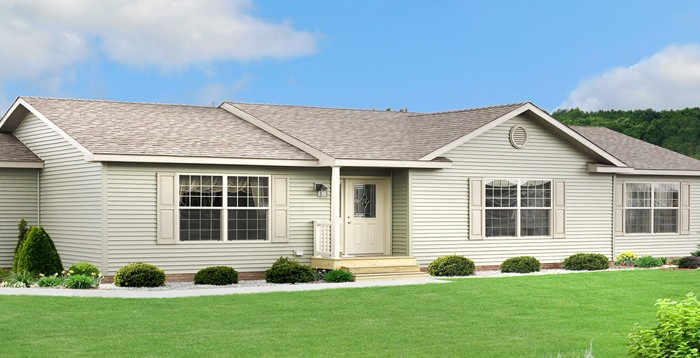
This myth is probably 15 years out of date. Early modular housing did lean toward boxy, repetitive designs. Manufacturers were optimizing for speed and cost, not looks.
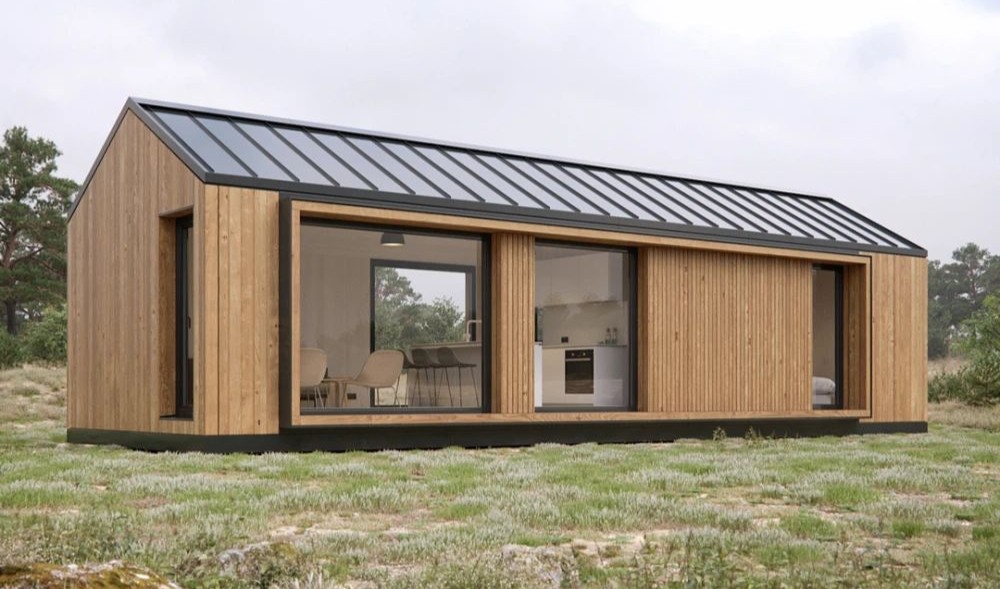
But that trade-off doesn’t really exist anymore. Modern prefab systems let you choose layouts, facades, roofing styles, window placements, and interior finishes. You get the same design freedom as a custom traditional build — just executed with factory precision instead of site guesswork.
Myth 5: Prefab Homes Are Only for Temporary or Budget Housing
Prefab has genuinely moved upmarket. It’s now used for premium villas, architect-designed residences, and full commercial buildings — not just budget shelters.
So where does the “cheap” perception come from? Mostly from lumping portable site cabins into the same category as engineered residential prefab. In reality, those are different products entirely, with different materials, insulation standards, and structural specs.
Myth 6: You Can’t Get a Home Loan for a Prefabricated House in India
This one deserves an honest answer, not an oversimplified one. Indian housing loans are typically sanctioned based on a valuer’s assessment of the land and structure together. That process doesn’t automatically penalize a home for being prefabricated.
That said, it’s not always smooth. Some banks are still cautious with smaller or newer prefab developers, even though financing options are steadily improving as the sector matures. So the practical takeaway is simple: financing is available, but it helps to build with an established, credible company that banks already recognize.
Myth 7: Prefab Homes Have Poor Resale Value
This is one of the easiest myths to bust with data. Long-term studies on modular construction found homes appreciating at 211.8% over 24 years, compared to 212.6% for traditional site-built homes. That gap is basically nothing.
Resale value really comes down to location, condition, and upkeep. Construction method barely moves the needle. A well-maintained prefab home in a desirable area appreciates just like any other well-maintained home.
Myth 8: Prefabricated Construction Isn’t Sustainable
It’s actually the opposite in most cases. Factory production generates far less construction waste than traditional site building. Materials get cut to precise specifications in a controlled environment, instead of being over-ordered “just in case.”
Off-cuts and scrap also get recycled at the factory rather than dumped at a site. Add in better insulation standards from modern panel systems, and prefab buildings often win on both waste reduction and long-term energy efficiency.
Myth 9: Prefab Homes Aren’t Fire-Safe
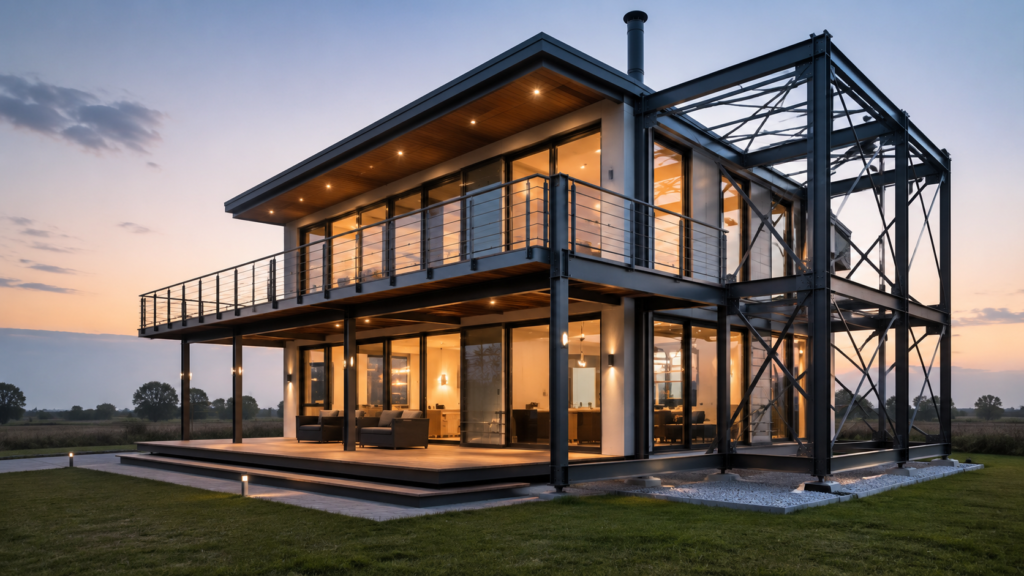
Fire safety comes down to materials and code compliance, not construction method. Engineered prefab systems using steel framing and fire-rated insulated panels meet the same fire codes as traditional construction.
In fact, steel-frame prefab structures are non-combustible in ways that timber-framed traditional builds simply aren’t.
Myth 10: Prefab Homes Don’t Follow Proper Building Codes
This myth really doesn’t hold up. Independent studies have found that modular homes are built to meet or exceed local on-site building codes — not some relaxed, alternative standard.
Reputable prefab manufacturers design to the same structural, electrical, and safety codes as conventional construction. Then they add factory-level quality control on top of that.
Myth 11: Prefab Construction Takes Just as Long as Traditional Building
Speed is one of prefab’s clearest advantages, and it’s easy to measure. Modules or panels get manufactured in a factory while site preparation and foundation work happen in parallel. Because of that overlap, prefab projects routinely finish weeks or months faster than a comparable traditional build.
This isn’t a small gain. It’s one of the core reasons India’s infrastructure sector is leaning so heavily into prefab right now. The market is projected to grow 13.7% this year alone, reaching around ₹1.22 trillion.
Myth 12: Prefab Is Just a Trend, Not a Serious Long-Term Method
The growth numbers say otherwise. India’s prefab construction sector posted a 16.1% CAGR between 2021 and 2025. It’s also forecast to keep growing at 12.3% annually through 2030, reaching nearly ₹1.93 trillion.
That’s not hype-driven growth. It’s government infrastructure programs, private developers, and homeowners all reaching the same conclusion: prefab delivers comparable quality, faster.
FAQ’s
Almost every myth here traces back to one root cause. People confuse modern engineered prefab with 1960s–70s mobile homes, or with short-term portable site cabins.
Once you separate those categories, most of the doubt disappears. The real concern was never about prefabrication itself — it was about outdated products wearing the same label.
Here’s the honest part: some of these myths can still be true. But only if you build with the wrong company. A low-cost, uncertified manufacturer will cut corners, prefab or not.
So before you commit, ask a few direct questions.
A credible builder should explain exactly how their structures meet IS 1893 seismic requirements and local codes — not just say “it’s strong.”
Panel thickness, insulation type, and steel gauge all affect durability. Vague answers here are a red flag.
A builder with homes standing for years in your climate zone is worth far more than a rendering.
Builders who’ve worked with banks before can often smooth out your loan process, since valuers trust recognized names.
Yes. Engineered prefab homes meet the same structural and building codes as traditional construction. In disaster studies, they’ve performed as well as, or better than, conventional framing.
Generally, yes. Loans are assessed on land and structure value together. Financing is easiest with established, credible prefab builders.
With quality materials and proper maintenance, a well-engineered prefabricated home can last 50 years or more.